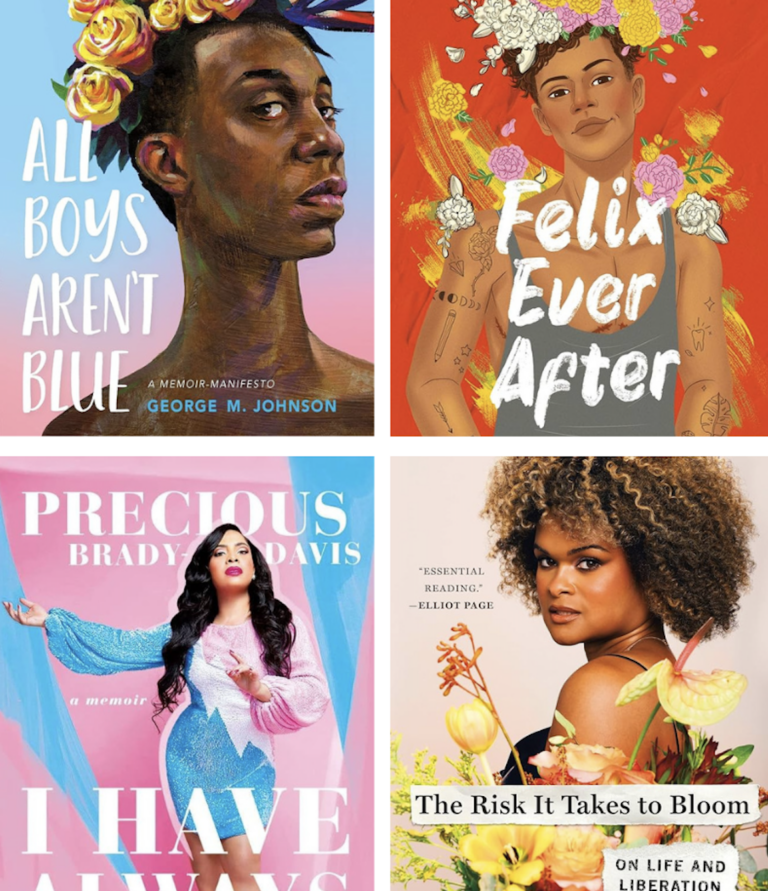
The literary tradition stemming from Black LGBTQ+ identities remains dynamic as it keeps growing and developing. Black gay writers stand at the intersection of several marginalized identities which allows them to present viewpoints that defy traditional storytelling while enhancing the broader literary field. Their writing captures Black gay experiences in America and beyond while creating new possibilities outside traditional white-centric and heteronormative structures. The work of Black gay writers is examined in this blog through themes such as the challenges and triumphs of intersectional identity and the reimagining of literary traditions. These themes serve as a representation of the varied issues that have emerged from a literary community which exercises a powerful voice to transform contemporary literature.
Black gay writers express the dual experiences of challenge and triumph in their literature about living with intersecting marginalized identities. Through his work in ‘Giovanni’s Room’ and ‘Just Above My Head,’ James Baldwin established pioneering portrayals of Black gay life by presenting characters who face societal rejection yet discover moments of self-affirmation and joy. Modern writers maintain this literary practice by writing about the unique obstacles faced by Black gay people in environments that often reject both their racial and sexual identities. Resilience emerges as a core theme in these narratives where characters confront homophobia from Black communities and racism within LGBTQ+ spaces to forge their strength through challenging times. Marlon James’s ‘Black Leopard, Red Wolf’ and Brandon Taylor’s ‘Real Life’ present protagonists who experience multifaceted emotional lives beyond trauma including moments of self-discovery and pleasure. This detailed representation steers clear of trauma-centered storytelling yet recognizes the real challenges encountered by Black gay individuals. The Black gay experience has led to significant cultural innovations which literature celebrates through the ballroom scene in Darnell Moore’s memoir ‘No Ashes in the Fire’ and the artistic achievements found in Essex Hemphill’s poetry. Readers with similar life experiences find representation and validation through these stories of struggle and victory while readers from other backgrounds gain understanding.
Black gay authors create literature that explores the compounding effects of racism and homophobia through their documentation of navigating multiple forms of discrimination. Black gay people face discrimination from various sources and even within protective environments unlike white LGBTQ+ individuals or straight Black people. Through her essays such as ‘Age, Race, Class, and Sex: Women Redefining Difference,’ Audre Lorde who identified as a lesbian rather than gay vividly captured this dynamic. Modern authors persist in examining these topics through characters who devise advanced methods of self-defense and opposition. Research explores code-switching practices among Black gay people who modify their identity presentations across various situations to achieve safety or social acceptance. Saeed Jones’s memoir ‘How We Fight for Our Lives’ illustrates how individuals face psychological challenges while managing various forms of oppression as they create their self-identity. This body of literature moves past documenting discrimination by formulating theories of resistance tactics and envisioning liberation routes. The novel ‘The Prophets’ by Robert Jones Jr. explores how Black queer love functions as a means of resistance against overlapping systems of oppression. Contemporary literature makes this theme crucial because it allows people who face discrimination to find reflection and enables others to gain deeper empathy and understanding of these intricate circumstances.
Relevant literature focuses extensively on the connections Black gay people maintain with both their families and larger communities. These literary works examine how LGBTQ+ individuals face the conflict between seeking acceptance from their birth families and creating their own supportive families after rejection. Authors such as E. Lynn Harris used novels like ‘Invisible Life’ to examine the complex situations faced by Black gay men who had to deal with family expectations while facing condemnation from their religious communities. Stories often show painful rejection followed by healing reconciliation as characters move through difficult separation towards deeper understanding. Literature from Black gay writers extends beyond traditional family boundaries to highlight the creation of chosen families and alternative kinship structures. These chosen communities deliver essential support and cultural understanding which biological relatives often fail to provide. Joseph Beam’s anthology ‘In the Life’ illustrates how Black gay men establish supportive brotherhoods and communities through their works. The literature gives special attention to the church which has traditionally served as a central institution within Black communities. Authors examine both religious spaces that exhibit homophobic tendencies and the potential for spiritual practices to embrace LGBTQ+ identities instead of rejecting them. The depiction of the church in James Baldwin’s ‘Go Tell It on the Mountain’ served as a foundation for modern authors who continue to investigate this subject matter. The literature shows identity development occurs through community interaction which involves acceptance or rejection and leads to the creation of new communities offering complete self-expression.
Writings about Black gay experiences reveal complex aspects of love and desire that question standard heterosexual beliefs while recognizing the distinctive cultural factors present in Black queer relationships. The writings of James Baldwin in ‘Giovanni’s Room’ through to modern poet Danez Smith’s ‘Don’t Call Us Dead’ celebrate same-sex love for its beauty and complex nature. Academic studies frequently explore the effects of racial factors on romantic and sexual bonds with a focus on interracial dating scenarios. Authors analyze the way power disparities, fetishization practices and internalized racist beliefs create challenges within intimate relationships. Vietnamese American author Ocean Vuong created ‘On Earth We’re Briefly Gorgeous’ to serve as a framework for understanding racial influences on desire in ways that many Black gay writers also explore. The body of literature examines different intimate connections such as friendship and mentorship alongside community ties beyond romantic partnerships. The narratives challenge traditional family structures by presenting non-heteronormative connections that propose new ways for human relationships. The impact of AIDS on Black gay communities stands out in literature that examines romantic love in the context of mourning. Essex Hemphill’s poetry collection ‘Ceremonies’ serves as a strong documentation of this historical period. Modern literary works examine the effects of HIV on personal connections and community life alongside the celebration of enduring Black gay love which survives societal barriers. Black gay literature confronts the marginalization and negative perception of same-sex relationships through emotional narratives while depicting the multifaceted nature of romantic bonds through their shared happiness and struggles.
Black gay writers use literature to explore how identities develop through reactions to larger social structures and historical events. These literary pieces explore the effects of capitalism and colonialism and mass incarceration systems on individuals who exist at the intersection of multiple marginalized identities. In his work ‘Times Square Red, Times Square Blue’ Samuel R. Delany examines the ways in which urban development and capitalist forces transform queer spaces and communities. The literature often focuses on undoing historical erasure by recovering and reimagining Black queer figures from history. Robert Jones Jr.’s novel ‘The Prophets’ tells an intense story about queer relationships during slavery that opposes historical accounts which ignored these connections. Modern authors analyze the impact that media representation and its absence have on Black LGBTQ+ self-perception. The poetry collection ‘Prelude to Bruise’ by Saeed Jones investigates the impact of dominant cultural stories on identity development for groups rarely depicted accurately in mainstream media. Scholars examine how marginalized groups regulate their members’ conduct to secure acceptance from dominant groups through respectability politics. Through literary examination we learn that Black gay people face discrimination from both Black communities and LGBTQ+ movements because they fail to meet established behavioral standards. The literature proves individual challenges mirror systemic problems when it connects personal experiences to larger social frameworks. The political aspects of this work transform it from simple description to prescriptive visioning of equitable social systems.
Black gay writers have reshaped literary traditions by merging traditional forms with innovative perspectives that question prevailing assumptions and open new possibilities. The coming-of-age narrative becomes more complex when a protagonist learns about their racial and sexual identities within an oppressive society. In today’s literary landscape Brandon Taylor’s ‘Real Life’ stands as a modern representation of the reshaped bildungsroman. Black gay literature transforms traditional romance narratives to question heteronormative beliefs and showcase same-sex love. James Baldwin was among the first writers to establish this method and modern authors keep building on how queer romance can be depicted. In ‘Black Leopard, Red Wolf’ Marlon James delivers a modern interpretation of mythology and folklore by merging African mythological elements with queer characters and themes. This perspective confronts the predominance of whiteness in fantasy literature while questioning the belief that African cultures strictly adhere to heteronormative standards. Works that include queer perspectives bring fresh interpretations to conventional African American literary forms such as slave narratives. In ‘The Prophets’ by Robert Jones Jr. readers discover a plantation narrative that features a central same-sex love story and thus transforms traditional storytelling. Black gay writers have found science fiction and speculative fiction traditions to be rich environments for exploring alternative modes of existence. Authors including Samuel R. Delany utilized science fiction to investigate social models where race and sexuality function in ways distinct from today’s society. The reworking of established literary forms not only adds diversity but also questions foundational beliefs while opening new creative avenues that enhance literature.
Black gay writers bring essential viewpoints to current literature through their themes which question established stories while broadening narrative possibilities and representation. The writers who document intersections of race with sexuality establish inclusive spaces for readers sharing their identities while broadening our appreciation of human diversity. Beyond representing identities these themes transform literature by introducing novel approaches that reshape classic literary forms and tropes from fresh viewpoints. The literature canon progresses and during this evolution Black gay writers keep their position as key contributors to literature rather than being confined to a specialized subsection. Through their examination of identity and community alongside love and resistance Black gay writers address fundamental human issues while recognizing unique historical and cultural backgrounds. As social conditions change future generations of writers will expand on foundational themes established by James Baldwin, Audre Lorde, and Essex Hemphill. The literary landscape of the future grows richer through these voices which use personal experience to craft transformative art that challenges readers while reshaping literary traditions.
7 responses to “Exploring Themes in Literature for Black Gay Writers”
Share our link, earn real money—signup for our affiliate program! https://shorturl.fm/Tz5Cj
Join our affiliate program today and earn generous commissions! https://shorturl.fm/oDz4h
Turn referrals into revenue—sign up for our affiliate program today! https://shorturl.fm/IKbcP
Unlock exclusive rewards with every referral—enroll now! https://shorturl.fm/NIZvb
Earn recurring commissions with each referral—enroll today! https://shorturl.fm/2GJoP
Maximize your earnings with top-tier offers—apply now! https://shorturl.fm/D5pZt
Join forces with us and profit from every click! https://shorturl.fm/0osRB